


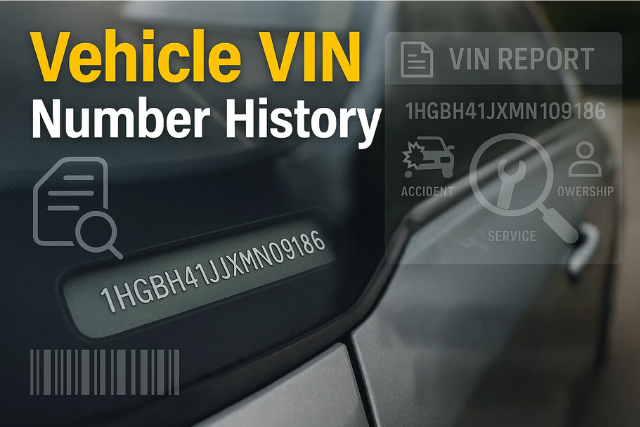
Written by the AutoMagToday Content Team | Reviewed by Anand Raj, Automotive Review Expert, AutoMagToday | Last updated: June 2025
Quick Answer
Checking a vehicle’s VIN history is a simple way to learn more about its past before buying a used car. But how do you check a vehicle VIN number history? Start by locating the vehicle’s 17-character VIN, then enter it into a reliable VIN history service or an official vehicle records portal, where available. The report may reveal accident records, title information, ownership changes, theft records, recalls, and available service history.
This valuable report exposes a vehicle’s concealed history — accidents, theft records, past owners, and many more. Forgetting a vehicle VIN number verification might mean taking over someone else’s mechanical or legal issues.
You can also cross-check details using a vehicle history report by license plate to validate ownership and registration data. In this blog, we’ll assist you in understanding a vehicle’s VIN history, how it operates, and how to quickly check vehicle history by VIN prior to purchasing.
Vehicle VIN: Explore its meaning and structure
A Vehicle Identification Number (VIN) is a 17-character serial number stamped by the manufacturer on every vehicle. It’s similar to a fingerprint for your motorcar — there are no two matching numbers. This code is important in creating an accurate vehicle VIN history.
The VIN stores data that are important for buyers, such as the country of manufacture, vehicle type, engine specifications, and the year it was produced. This helps buyers or sellers know about the past of the car; that’s why it is important to check vehicle history by VIN before buying a used vehicle.
VIN structure:
Characters 1-3: Country and manufacturer
Characters 4-9: Model, make, engine type
Characters 10-17: Year of production, plant code, serial number
Every incident, such as accidents, services, and title changes, is accounted for under this number to create the vehicle VIN number history in the long run.
What Is a Vehicle VIN Number History?
A vehicle VIN number history is an in-depth report, similar to reports generated from the best site to check vehicle history for accurate data. It includes accident reports, owners’ histories, recalls, insurance, and service histories.
By performing a vehicle VIN history check, you can discover crucial information that’s not apparent when doing a physical inspection. It’s a surefire method to confirm that the vehicle you’re about to purchase hasn’t been involved in severe accidents or encountered significant mechanical issues.
This is why thoroughly checking vehicle history by VIN process is crucial before purchasing a used vehicle so you don’t end up getting a car with underlying problems.
How to check vehicle history by VIN?
If you intend to obtain a used vehicle, then knowing its history by VIN is key to knowing the overall history of the conveyance. Below is the process step-by-step:
1. Locate the VIN Number
You should be able to find the VIN on the dashboard console near the windshield, the driver’s side door frame, and on some vehicles’ engine bays. You will also see the VIN number listed on the official documents of the vehicle, such as the vehicle registration card and vehicle insurance papers.
2. Visit an Official Vehicle Record Portal
Visit your state’s DMV or approved vehicle records website and search for the VIN lookup tool. Enter the 17-digit VIN code to get the available vehicle VIN history for that car.
3. Inspect the Full VIN History Report
Verify the report for accident reports, title problems, recalls, and ownership transfers to identify red flags. A clear and clean vehicle VIN number history enhances the reliability and value of the car over time.
A vehicle VIN history check is a speedy procedure necessary to verify that the details of the vehicle comply with what the seller is stating. You can also review a detailed vehicle history window sticker to get a simplified summary of vehicle specs and history.
Bonus Tips to Maintain a Clean VIN History for Your Car
It’s not just crucial to investigate a used vehicle’s history; keeping the VIN history of your own car squeaky clean is also important. A clean record simplifies the sale of your vehicle, maintains its value in the marketplace, and provides clear legal traces.
1. Service Your Car on Time
Scheduled maintenance like oil changes and brake checks also reflect in reports from a best free vehicle history report, helping maintain transparency.
2. Stay Away from Major Unauthorized Modifications
Changing the engine, frame, or emissions systems without authorization will have a negative effect on your vehicle VIN number history. It will also make it more difficult to resell the automobile and can impact insurance premiums.
3. Report Accidents
Ensure all the accidents or the repairs done are documented correctly in your vehicle history report. This keeps your vehicle VIN history open and honest for legal, insurance, and resale purposes.
Run a VIN Check on Your Vehicle Each Year
Even for your own car, it’s a good idea to scan vehicle history by VIN every twelve months. This is able to catch unexpected title changes, outstanding recalls, or false mileage entries before they lead to trouble. If records seem incomplete, learn why my vehicle doesn’t have service history on Carfax and how to fix it.
Frequently Asked Questions (FAQ’s)
1. What does a vehicle VIN history entail?
It contains accident histories, ownership changes, theft reports, title information, recalls, and previous maintenance history.
2. How do I check the vehicle’s history by VIN?
You can verify vehicle history by VIN using reliable online VIN check websites or via your state’s official DMV website.
3. Why is a vehicle VIN history check significant?
It allows you to reveal concealed problems, so you can avoid purchasing a car with severe previous issues or legal concerns.
4. Where is my car’s VIN?
Check on the dashboard, close to the windshield, on the driver’s door frame, inside the engine compartment, or on documents.
5. Can I do a vehicle VIN history check on my present vehicle?
Yes, it is advisable to conduct a VIN history check on your vehicle from time to time to track records, updates, and service recalls.
Disclaimer
This article is for general informational purposes only. The information available in a VIN history report can vary by reporting provider, state, and the records available for a particular vehicle. A VIN history check may not contain every accident, repair, service event, or ownership record, so review available records and consider a professional vehicle inspection before purchasing a used vehicle.