


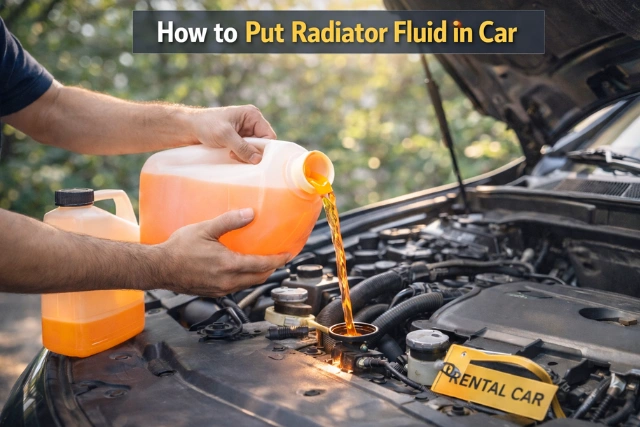
Knowing how to put radiator fluid in car is an important part of basic vehicle maintenance. Radiator fluid, also called coolant, helps keep your engine at the right temperature so it does not overheat while driving.
Many drivers forget about coolant until their car starts running hot. Learning how to put radiator fluid in car can help prevent engine damage and keep your vehicle running smoothly for a long time.
The process is actually simple and only takes a few minutes. In this guide, you will learn how coolant works,how to put coolant in car radiator, and where to put coolant in car radiator safely.
Why Radiator Fluid Is Important for Your Car
Before learning how to put radiator fluid in car, it helps to understand why coolant matters.
Your engine creates a lot of heat while running. Without proper cooling, the engine temperature can rise quickly. Radiator fluid moves through the engine and radiator to absorb heat and keep the temperature stable.
Coolant also helps with:
- Preventing engine overheating
- Protecting metal parts from rust
- Preventing freezing in cold weather
- Improving engine performance
Without enough coolant, the engine may overheat and cause serious damage.
How to Put Radiator Fluid in Car
If you want to learn how to put radiator fluid in car, follow these simple steps. The process is safe and easy if done correctly.
Step 1: Turn Off the Engine
Always start by turning off your car and letting the engine cool down. Never open the radiator cap while the engine is hot.
Hot coolant can cause burns because it is under pressure.
Wait at least 20 to 30 minutes before opening the hood.
Step 2: Open the Hood and Find the Coolant Reservoir
Next, open the hood and look for the coolant reservoir. Most cars have a transparent plastic container near the radiator. It usually has markings like “MIN” and “MAX.”
This is where many drivers add coolant instead of opening the radiator itself.
Step 3: Check the Coolant Level
Before adding fluid, check the current coolant level. If the liquid is below the MIN line, it means your car needs more coolant.
Here is a quick reference.
| Coolant Level | What It Means |
| Above MAX | Too much coolant |
| Between MIN and MAX | Normal level |
| Below MIN | Add coolant |
If the coolant is low, it is time to refill it.
Step 4: Add Radiator Fluid Slowly
Now you can add coolant. Pour the radiator fluid slowly into the coolant reservoir until it reaches the MAX line. Avoid overfilling the tank.
If your vehicle requires filling the radiator directly, open the radiator cap carefully and pour the coolant slowly. This is an important step when learning how to put radiator fluid in car correctly.
Step 5: Close the Cap and Start the Engine
Once the coolant reaches the proper level, close the reservoir cap tightly. Start the engine and let it run for a few minutes. This helps the coolant circulate through the cooling system. Check the level again after the engine cools down to make sure it remains correct.
Where to Put Coolant in Car Radiator
Many people ask where to put coolant in car radiator, especially if they are adding coolant for the first time.
In most modern vehicles, coolant is added through the coolant reservoir tank rather than the radiator cap.
Here is a simple explanation.
| Location | Purpose |
| Coolant Reservoir | Main place to add coolant |
| Radiator Cap | Direct access to radiator |
| Overflow Tank | Stores extra coolant |
For most drivers, adding coolant to the reservoir is the easiest and safest option.
Understanding where to put coolant in car radiator helps prevent mistakes when topping up fluids.
How to Put Coolant in Car Radiator Properly
Another common question drivers ask is how to put coolant in car radiator safely.
Here are a few tips to follow:
Use the correct coolant type
Different cars require different coolant formulas. Check your owner’s manual before buying coolant.
Do not mix incompatible coolants
Mixing different types can reduce cooling efficiency.
Use a coolant and water mix if required
Some coolants must be mixed with distilled water before use.
Check for leaks
If the coolant level keeps dropping,there may be a leak in the system.
Following these tips will make how to put coolant in car radiator much easier and safer.
Signs Your Car Needs More Radiator Fluid
Knowing the warning signs can help you check your coolant before a bigger problem happens.
Here are common signs your car may need radiator fluid.
- Engine temperature rising quickly
- Steam coming from the hood
- Low coolant warning light
- Sweet smell from the engine
- Coolant puddles under the car
If you notice any of these signs, checking how to put radiator fluid in car and refilling it may help prevent engine damage.
How Often Should You Check Coolant?
Experts recommend checking coolant levels regularly.
Here is a simple maintenance schedule.
| Maintenance Task | Recommended Time |
| Check coolant level | Once a month |
| Replace coolant | Every 2–5 years |
| Inspect cooling system | During routine service |
Regular checks make it easier to maintain your car and avoid overheating problems.
Safety Tips When Adding Radiator Fluid
When learning how to put radiator fluid in car, safety should always come first.
Follow these basic precautions:
- Never open the radiator cap when the engine is hot
- Use gloves if possible
- Keep coolant away from pets and children
- Clean any spills immediately
Coolant contains chemicals that can be harmful if handled improperly.
Conclusion
Learning how to put radiator fluid in car is a simple skill that every driver should know. Keeping the coolant level at the right amount helps prevent overheating and protects your engine.
By understanding how to put coolant in car radiator and where to put coolant in car radiator, you can handle basic car maintenance with confidence.
Checking coolant regularly and adding radiator fluid when needed will help your vehicle stay reliable and run smoothly for years.
Frequently Asked Questions (FAQs)
1. How do I know where to put coolant in the car radiator?
Most vehicles have a coolant reservoir near the radiator. You can add coolant there without opening the radiator cap.
2. How often should I check radiator fluid?
It is a good idea to check the coolant level at least once a month or before long trips.
3. Can I add coolant directly to the radiator?
Yes, but only when the engine is completely cool. Many modern vehicles recommend adding coolant through the reservoir tank instead.
4. What happens if my car runs out of coolant?
Without coolant, the engine can overheat quickly. This can cause serious engine damage if not fixed immediately.
5. Is coolant the same as radiator fluid?
Yes, coolant and radiator fluid refer to the same liquid that helps regulate engine temperature.

